Deprecated: WPMailSMTP\Providers\Sendlayer\QuickConnectUsage::maybe_flag_limit_reached(): Implicitly marking parameter $connection as nullable is deprecated, the explicit nullable type must be used instead in /home/xrtyplzb/public_html/drclark.co/wp-content/plugins/wp-mail-smtp/src/Providers/Sendlayer/QuickConnectUsage.php on line 393
Cancer Therapy – Dr Clark Stores USA

Category: Cancer Therapy

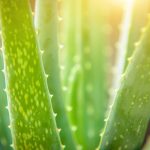
  • Aloevera Cancer Therapy

    Aloevera Cancer Therapy

    “The beneficial healing effects of Aloe…are so miraculous as to seem more like a myth than fact,” … John P. Heggers, Ph.D., of the University of Texas Medical School.

    Aloe Vera is one of the most impressive medical herbs in nature. There is nothing on this planet that offers the amazing variety of healing benefits granted by aloe vera. In a single plant, aloe vera offers potent, natural medicine. Truly, there is nothing else that compares to the medicinal potential of aloe vera. And yet most people only know about the topical applications of aloe vera gel. They think it’s only good for sunburns. In reality, aloe vera is useful for both external and internal use.Aloe Vera’s internal gel matrix is comprised of hundreds of different photochemicals that not only store water and repair injury; they also grant notable medicinal effects to humans who consume them.

    People are just becoming aware of the Aloe Vera Miracle. There is only one good way to get aloe vera gel: Grow it yourself. I’ve done that for years, and when I’m making a smoothie, I often cut a large aloe vera leaf out of my yard, slice off the thick green skin of the leaf, and drop the large gel piece into a blender.

    Aloe vera boosts immune function and destroys cancer tumors Scientific research shows strong immuno- modulatory and antitumor properties for aloe vera polysaccharides. That means the gel helps boosts immune system function while destroying cancer. One study published in International Immunopharmacology (1995) showed that aloe vera polysaccharides exhibited potent macrophage-activating activities including producing increased volumes of nitric oxide (which has antitumor potential).

    Aloe Vera Cancer Studies
    One study published in International Immunopharmacology (1995) showed that aloe vera polysaccharides exhibited potent macrophage-activating activities including producing increased volumes of nitric oxide (which has antitumor potential).

    “Whole Leaf Aloe Vera has anti-cancer activity”

    The anti-cancer activity of Aloe indicate that its action is through stimulation of the scavenging white blood cells of the immune system. (L. Ralamboranto, Archives of the Pasteur Institute, 1982)
    The many studies carried out by Russian scientists have done more to establish a respectable place in modern medicine for Aloe than any other group of investigators. N.V. Gribel and V.G. Pashinskii, in Vopr Onkol., 1986, showed that Whole Leaf Aloe juice reduced tumor mass and the frequency of metastases in rats.”
    Anyone wishing to prevent or cure cancer should seriously investigate aloe vera as part of their recipe for eliminating cancer for life. I wouldn’t rely solely on aloe vera, especially since there are dozens of cancer cures that are now well known in naturopathic medicine. Combining the right herbs (like cat’s claw), superfoods (like spirulina), advanced therapies (like intravenous vitamin C), oxygen therapy and other modalities will give you the best results when battling any form of cancer. Work with a naturopathic physician to learn more.
    Aloe vera halts inflammation Using aloe topically is well known to ease inflammation of joints, reducing arthritis pain. But aloe can also be used internally, reducing inflammation throughout the body from the inside out. People who drink aloe vera for two weeks typically begin to experience a significant reduction of inflammation symptoms.
    Aloe vera lowers cholesterol and triglycerides When used internally, aloe vera gel improves the quality of the blood and helps rebalance the blood chemistry in a way that lowers cholesterol and total triglycerides (in people with elevated levels).

    “Over 200 worldwide scientific research papers have been published on the effects of aloe vera. The three main categories of research include anti-inflammatory, anti- bacterial, and anti-viral actions of aloe vera. The juice is said to soothe digestive tract irritations such as colitis, ulcers and irritable bowel syndrome. Aloe’s ability to encourage the release of pepsin (a gastric juice enzyme necessary for digestion) when the stomach is full is a possible reason for its ulcer-healing effects (Journal of the American Osteopathic Society, 1963, vol.62) In one study, oral use of aloe for six months helped mitigate asthma symptoms in almost half of the participants. Eleven of twenty-seven patients studied who drank aloe reported feeling better at the end of the study. Researchers think that results might be due to stimulation of the immune system, as well as naturally occurring anti-inflammatory agents in aloe vera.

    In 1997, University of San Antonio researcher Jeremiah Herlihy, Ph.D., conducted a study to observe any negative effects of drinking aloe daily. Rather than exhibiting negative effects, however, test animals receiving daily aloe showed a remarkable reduction in leukaemia, heart disease, and kidney disease. Dr. Herlihy concluded, “We found no indication of harm done to the rats even at high levels.” In fact, the aloe-drinking animals actually lived 25 percent longer than those in the control group (IASC Conference, Texas, 1997).”

    Aloe Vera is especially interesting because of its effect: It makes vitamin C, vitamin E and other antioxidants work better. The Aloe Vera makes the antioxidants more effective and this is due to its effect on enhancing blood quality and allowing the blood to a better transport mode of oxygen and nutrients to the body’s cells. In fact it is a widely held belief that Aloe Vera makes everything nutritious work better due to its blood-enhancing effects . If I’m right about that, it means aloe can influence anti-cancer herbs, too, helping them more effectively target tumors.

    Aloe Vera actually contains advanced biochemical technology that the drug companies can only hope to understand someday. This technology was built by nature, and it’s 100% compatible with the human body. All you have to do to experience this technology for yourself is drink Aloe Vera gel!

    Grow your own Aloe Vera. The commercial Aloe Vera products are second rate and comparable to “fresh orange juice vs bottled juice.. ” Fresh always wins: Aloe will retain its medicinal integrity when picked and used immediately!
    Most Plant nurserys stock Aloe Vera which can easily be grown at home. It does very well in pots and on window ledges

    Using Zapper Digital with any anti-cancer therapy is a sure guarantee of the greatest benefits. The Zapper can be used synergistically with all herbal treatments.

    Thousands of cancer treatments have been successful outside mainstream medicine. These alternatives offer better choices for giving the cancer patient’s body a chance to heal. They include herbs and non-herbs, metabolic and immunotherapies, non-toxic chemical mixtures, and electromagnetic technologies.

    [code_snippet id=5 format]


  • Essiac Tea Cancer Therapy

    Essiac Tea Cancer Therapy

    Essiac Tea Cancer Therapy

    Many users of Essiac believe that Essiac can and does improve the body’s ability to fight cancer and that Essiac is effective at reducing the side effects of chemotherapy and radiation treatments. Users have reported that with the reduction in chemotherapy/ radiation side effects, they are much better able to handle the full course of their treatments – eliminating interruptions and delays in treatment.

    In 1937, Dr. Emma Carson spent 24 days inspecting the Bracebridge Clinic in Ottawa where Caisse had done most of her work. In reviewing 400 cases of cancer patients, she declared:

    “The vast majority of Miss Caisse’s patients are brought to her for treatment after [conventional treatment] has failed and the patients are pronounced incurable. The actual results from Essiac treatments and the rapidity of repair were absolutely marvelous and must be seen to convincingly confirm belief.”

    The four core ingredients of Essiac:

    • Burdock (Arctium lappa).
    • Indian rhubarb (Rheum palmatum): This plant has been demonstrated to have antitumor activity in the sarcoma 37-test system. Certain chemicals in Indian rhubarb, such as aloe emodin, catechin, and rhein have shown antitumor activity in animal test systems.
    • Sorrel: Aloe emodin, isolated from sorrel, shows “significant antileukemic activity.”
    • Slippery elm: Slippery elm contains beta-sitosterol and a polysaccharide, both of which have shown anti-cancer activity.

    According to the providers of the best-known version of the formula:
    “all four herbs normalize body systems by purifying the blood, promoting cell repair, and aiding effective assimilation and elimination. When combined, their separate beneficial effects are synergistically enhanced.”

    Homemade, this treatment costs about 4 cents per day. No wonder, in the era of $150,000 bone marrow transplants, Essiac is becoming more popular. Several companies sell it and all claim to have the right formula.
    Ingredients: The following makes a year’s supply for $5.00 or £3.72, according to Essiac
    Essentials. Mix the herbs together very, very thoroughly. Use 1 cup of herb mix per 2 gallons distilled water each time you brew.

    THE AUTHENTIC AND ORIGINAL ESSIAC TEA FORMULA

    6 ½ cups of burdock root (cut)
    1 pound of sheep sorrel herb powdered
    1/4 pound of slippery elm bark powdered
    1 ounce of Turkish rhubarb root powdered
    Mix these ingredients thoroughly and store in glass jar in dark dry cupboard. Take a measuring cup, use 1 ounce of herb mixture to 32 ounces of water depending on the amount you want to make. I use 1 cup of mixture to 8 x 32 = 256 ounces of water. Boil hard for 10 minutes (covered) then turn off heat but leave sitting on warm plate over night (covered).
    In the morning heat steaming hot and let settle a few minutes, then strain through fine strainer into hot sterilized bottles and sit to cool. Store in dark cool cupboard. Must be refrigerated when opened. When near the last when its thick pour in a large jar and sit in frig overnight then pour off all you [can] without sediment.
    This recipe must be followed exactly as written. I use a granite preserving kettle (10 – 12 qts), 8 ounce measuring cup, small funnel and fine strainer to fill bottles.

    Use a Zapper Digital with the Essiac Tea treatment to enhance the cancer fighting benefits.

    [code_snippet id=5 format]


  • Papaya Leaf Cancer Treatment Program

    Papaya Leaf Cancer Treatment Program

    Papaya Leaf Cancer Treatment Program

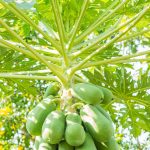
    Papaya/Pawpaw apaya (Carica papaya) originates from tropical American countries. Today Papaya is cultivated in most tropical countries around the world. The Papaya with the Latin name carica papaya is called Paw Paw in Australia and New Zealand. This is in no way related to the Paw Paw in North America that has the Latin name asimina tribola, though both are medicinal plants.

    Papaya leaf juice is claimed to have reversed cancer in many people living on the Gold Coast in Australia. Harold W. Tietze in his book Papaya The Medicine Tree, describes how to make the juice and tells the stories of many cancer survivors who reportedly used the juice to get rid of their cancer.

    Papaya Leaf, The anti-cancer treatment

    The book contains the the following report that was published in the Gold Coast Bulletin. “PawPaw Cancer Plea Bears Fruit”. Gold coast gardeners have responded to an appeal by cancer victims desperate to find supplies of pawpaw leaves. And the Gold Coast man who, 14 years ago, first exposed the leaves as a possible cure for cancer has been tracked down to a Labrador (Gold Coast) nursing home. The story of how Stan Sheldon cured himself of cancer by drinking the boiled extract of pawpaw leaves was first told in the Gold Coast Bulletin in 1978.
    Papaya Leaf ‘Miracle Cure’

    Papaya Leaf Cancer Treatment Program

    New research in the United States has given scientific support to the claim that papaya leaves are indeed a cancer cure, isolating a chemical compound in the pawpaw tree which is reported to be a million times stronger than the strongest anti-cancer drug. Mr Sheldon, says the discovery does not surprise him. “I was dying from cancer in both lungs when it was suggested to me as an old Aboriginal remedy” he said. “I tried it for two months and then I was required to have a chest x-ray during those compulsory TB checks they used to have. They told me both lungs were clear.” “I told my specialists and they didn’t believe me until they had carried out their own tests.” “Then they scratched their heads and recommended I carry on drinking the extract I boiled out of the papaw leaves.”

    “One man has been growing papaws and giving away the leaves to cancer victims ever since he read the Bulletin’s original 1978 story about Mr Sheldon. “I have no doubt that it works,” he said. “I know people walking around now who should have been dead according to their original cancer diagnosis. But the pawpaw treatment helped them to beat the cancer.”

    The recipe is as follows:
    Wash and partly dry several medium-size papaya leaves. Cut them up like cabbage and place them in a saucepan with 2 quarts/ litres of water. Bring the water and leaves to the boil and simmer without a lid until the water is reduced by half.
    Strain the liquid and bottle in glass containers.
    The concentrate will keep in the refrigerator for three to four days. If it becomes cloudy, it should be discarded.

    The recommended dosage in the original recipe is 3 Tablespoons/ 50ml three times a day. It is recommended to read Papaya The Medicine Tree for the interesting stories of “incurable” people who have used this extract to beat their cancer, and for other medicinal uses of papaya.

    A letter from R.J.W.:
    “… I was inspired to send some leaves to a few people dying from cancer. The first, a banana grower aged 40, had two operations on his bladder for cancer which did not prevent metastasis. I placed him on a very simple diet consisting of zero junk food, fresh living food with no preservatives, white flour, sugar, colourings or additives and told him to “stuff a handful of pawpaw leaves into a saucepan and fill with water. Boil, simmer for one hour and drink it till it comes out of your ears.” He did so and five weeks had no trace of cancer whatsoever.”

    The leaves have also been reported successful used when dried and ground. The astonishing effects of the pawpaw have also been proved in tests on mice. The results were very impressive; tumors found in humans were being injected in mice and during treatment with papaw were disappearing.

    Pawpaw twigs contain acetogenins – active compounds that modulate the production of ATP in mitochondria of specific cells – which affects the viability of specific cells and the growth of blood vessels that nourish them. A recent clinical study with over 100 participants showed that the pawpaw extract, containing a mixture of acetogenins, supports the body’s normal cells during times of cellular stress.

    Acetogenins found in pawpaw have been shown to have dramatic biological activity, being active against worms, some viruses, fungi, and many cancer cell lines. When compared with conventional chemotherapy agents, they have worked comparably in cell culture and animal studies, but at far lower concentrations and with almost no toxicity to host animals.

    “Pawpaw is very effective on its own. It typically doesn’t need any supporting supplements. There are however, products that may be used in increasing the pawpaw’s effectiveness. The products are Noni, Immune Stimulator, Colostrums, and Protease Plus (especially when fighting a digestive tract or intestinal tumor).

    However, pawpaw should not be used with any kind of thyroid stimulators (e.g.: KC-X) or with CoQ10 (coenzyme Q10).
    Papaya affects ATD production in cells, so when used in conjunction with C-Q10 and similar compounds a contraindication evolves with the thyroid in hyperthyroidism / hypothyroidism patients. This usually would not generally affect the normal population, only people with a thyroid history. this combination may also expose an undiagnosed “thyroid condition”
    For cancer patients taking Laetrile, it is important to consume paw paw and pineapple each day, as the natural enzyme strips the coating on the cancer cells, so that the B17 in the kernels can work.”

    Use a Zapper Digital with the papaya leaf treatment to enhance the cancer fighting benefits.

    [code_snippet id=5 format]


  • Purple Grape Cancer Treatment Program

    Purple Grape Cancer Treatment Program

    Purple Grape Cancer Treatment Program

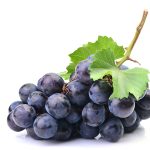
    The Grape Juice Fast was a famous anti-cancer discovery in the 1920s .

    Purple (Concord) grapes (with their skin and seeds), and to a slightly lesser degree red and black grapes, contain several nutrients that are known to kill cancer cells. These kinds of grapes also contain nutrients to stop the spread of cancer. They also help detoxify the body. This diet was developed by Johanna Brandt, who was a South African immigrant to America. She spent many years experimenting with fasting and diets before she found her grape cure. Her book on the grape cure was published in the 1920s. Much has been learned since the 1920s and many things have changed. It would not be advisable to read her book and follow it without taking into account what has been learned and what has changed since she wrote the book.

    For a number of reasons, I have written a short summary article on the four stages of her original grape cure:

    Original Brandt Grape Cure

    The original diet involves 12 hours of fasting every day, followed by 12 hours where you consume absolutely nothing except grapes (and/or grape juice). The consumption of the grapes is spread out over the 12 hours, not just at meal times. In other words, they are consumed slowly over many hours, not quickly over two or three short bursts. After being on this phase of the diet for several weeks there were other phases, but the first phase is of most interest here.

    The Grape Fasts

    To be technical there are two different “fasts” that occur every day in this diet. First there is the “water fast” (which is only for 12 hours a day) which allows for ONLY the consumption of “natural water” during the “fast” and/or “ionized water.” All of this clarification on water was not in her original diet, but modern technology (e.g. the addition of chlorine and fluoride to our water supplies) has necessitated its inclusion. Chlorine is especially bad for this diet! The second type of “fast” is for the other 12 hours in a day, it also includes water, but also includes grapes and/or grape mush.
    The two daily “fasts” obviously do not starve the cancer cells to death, however, the “water fast” does have a significant purpose. The water fasting makes the cancer cells “hungry,” and when the cells do get food, what they get is grape juice, which contains several major cancer killing nutrients, such as:

    (1) ellagic acid,
    (2) catechin,
    (3) quercetin,
    (4) oligomeric proanthocyanidins (OPC) or procyanidolic oligomers (PCO), pycnogenol (seeds)
    (5) resveratrol (skin coloring of purple grapes),
    (6) pterostilbene,
    (7) selenium,
    (8) lycopene,
    (9) lutein,
    (10) laetrile (amygdalin or Vitamin B17) (seeds)
    (11) beta-carotene,
    (12) caffeic acid and/or ferulic acid (together they kill cancer cells), and
    (13) gallic acid!

    That is an incredible arsenal!
    “Cancer Cells are tricked into consuming these nutrients”
    In other words, the water fasting is used to “trick” the cancer cells into consuming the first thing that comes along. The grapes become a great “transport agent” for getting the poisons just mentioned into the cancer cells, meaning the cancer cells “steal” these nutrients (which turn out to be poisonous to the cancer cells) from the normal cells! Cancer cells thrive on sugar and grape juice is virtually pure “sugar.” The water fast makes the cells hungry and when the grape juice becomes available, the cancer cells gobble up the sugar in the grapes or grape juice. But as the cells are ingesting the juice they are also consuming things that are poisonous to them. Think of putting poison in chocolate and giving it to a hungry child. That is exactly what the water fast, followed by the grape mush, do to a cancer cell.

    Cancer cells eat many times more of the glucose and other sugars than a regular cell does, plus it eats far more minerals and some other nutrients than a regular cell. Thus, the combination of consuming far more glucose, minerals and other nutrients, plus the (water) fasting, makes the purple grapes an exceptional cancer-fighting food. The water fast is absolutely critical to this treatment, and should not be taken lightly! In fact, the great secret to the grape cure is that cancer cells are very inefficient at processing glucose and other sugars. Cancer cells consume about 15 times more glucose and other sugars than regular cells.

    The 1931 Nobel Prize in medicine given to Dr. Otto Heinrich Warburg was awarded for this discovery. This means a grape cure diet can get several times more of certain cancer-killing nutrients into the cancer cells than normal cells. Most alternative cancer treatments evenly distribute their nutrients between cancerous and normal cells. But not this treatment. To insure the patient gets all of the main killer nutrients, the grape juice should include crushed seeds (in order to get the OPCs) and the nutrients from the purple skins (to get the critical resveratrol).

    The purple color, such as in concord purple grapes, has a critical cancer killing nutrient not found in other grapes. Back when she wrote her book, in the 1920s, the advantage of purple grapes was not known. Also, if you eat or process whole grapes, you should buy grapes with the seeds (if you can get them), not seedless grapes. This is another thing that Johanna Brandt could not have known about in the 1920s. The darker the purple grapes the better. (Note: Because purple grapes and red grapes are so frequently confused with each other, it is not clear exactly how good red grapes are. This is why you should look for the word “concord” on the package, although there are purple grapes other than concord grapes that are just as good.)
    Warnings – Heed Carefully

    In general, the “Grape Cure” diet cannot be mixed with other alternative cancer treatments!! For some reason, when cancer cells have access to a wide variety of foods they do not consume nearly as many of the cancer-killing nutrients in the grapes. This cancer treatment does not include ANY OTHER FOODS. There is NO “CANCER DIET” with this treatment because you are not allowed to eat any other foods. The supplements and alternative cancer treatments that are combined with this treatment have been carefully chosen to not interfere with the consumption by the cancer cells of the cancer-killing nutrients! in addition to this comment, much has changed since Johanna Brandt developed her grape cure. Unfortunately, one of those things is the way water is processed and another of those things is the way food is processed.

    Here is another special word of warning about chlorine. If you buy premixed grape juice, you need to make sure it did not have any tap water mixed in with the grape juice. Assume it does and don’t buy it! I would not use any premixed grape juice unless the label specifically mentions they did not use tap water or filtered water. Even some organic grape juice may have had tap water added to it. Even though the chlorine may be dissolved by the time you buy it, the fact that the chlorine existed when the grape juice was mixed with the water, would have caused severe damage to the nutrients at that time. This damage cannot be reversed. Another problem with mixed grape juice, even organic, is that it is generally required to be pasteurized. Pasteurization destroys all enzymes and it destroys an unknown number of nutrients in the grape juice and could neutralize a significant portion of the nutrients in the grape juice. Again, I emphasize, avoid premixed grape juice.

    Unfortunately, most, if not all, frozen grape juice is also pasteurized. Frozen grape juice also may have a small amount of tap water added to it. Some organic grape juices are processed with spring water, but even these may be pasteurized. The white sugar content in store bought grape juice counteracts the entire fasting and anti-cancer therapy procedure by introducing to the body a refined and toxic substance. This discussion on food processing, which largely applies to organic foods also, leads to the conclusion that only fresh whole purple grapes, totally unprocessed, qualify for this diet. But even doing this does not avoid the problem of pesticides, and a lot of grapes and grape juice are in this diet. However, since a cancer patient is only on this diet for several weeks, pesticides can be safely ignored, however, the grapes should be soaked in warm water anyway before using.

    The only way to guarantee you are getting all of the nutrients in the grapes is to make your own “grape mush” by using organic whole purple grapes (use organic when possible) and by processing them yourself into grape mush. Use a food processor or a juicer without using a filter (you want the entire grape, including the skin and seeds to be in the mush). “Organic” should mean there are no pesticides and that there are far more trace elements and other nutrients from the soil.

    Now, being realistic, such a mush is not practical for most people for a number of reasons. Thus, you must do the best you can. First, avoid premixed purple grape juice. Frozen is better because it has had much less tap water mixed in with it, or better yet if the juice is organic it may have had spring water mixed in.
    I must emphasize, no matter what kind of frozen grape juice you can find, mix it with “natural water.” The chlorine issue is so critical for certain nutrients in grape juice, that I would not even mix ionized water with the grape juice. I would drink ionized water during the 12 hours of the water fast, and use natural water to mix with the grape juice and to drink during the 12 hours you are drinking the grape juice!
    The Brandt Diet is an excellent diet, however, because grapes do not contain all of the amino acids, the Brandt Diet in this article includes spirulina, which does contain all of the critical amino acids.
    Quote from “The Brandt Diet”

    “It is safe to say that the first seven to ten days on grapes only would be required to clear the stomach and bowels of their ancient accumulations. And it is during this period that distressing symptoms often appear. Nature works thoroughly. She does not build on a rotten foundation. The purification of every part of the body must be complete before new tissue can be built.”
    In other words, a person one the Brandt Grape Cure can expect some awful smelling stuff coming out of a lot of different parts of their body!! I have gotten some pretty graphic emails from patients on this diet.

    Also, a person on the Brandt diet will probably lose significant weight during the first few weeks. I mention this because a person who begins this diet at 120 pounds or less, will get concerned when they start losing weight. This is to be expected.
    Having said all of that, here is the Johanna Brandt Grape Cure treatment for cancer.
    The Johanna Brandt Grape Cure (as modified for newer discoveries)
    Johanna Brandt designed a cancer treatment in 4 phases. Her first phase lasted until the cancer patient stopped losing weight or felt a lot better. The problem with a variable length phase, based on feeling better, is that a person feels better when their non-cancerous cells are given a shot of nutrients. Cancer cells steal energy, nutrients and glucose from non-cancerous cells. Thus, non-cancerous cells are very weak and “sick.” If a person has been on chemotherapy, their non-cancer cells may also be toxic.

    Giving a person a high dose of grape juice will make these non-cancerous cells “feel good.” Thus, feeling good can be a very poor way to ascertain whether the cancer is being conquered, especially in the first few weeks. Thus, my version of the Brandt Grape Cure will be a fixed length treatment which may be repeated. If the person feels good after 10 weeks, that is a far better indication the cancer is actually losing the battle.
    There will be a six week cycle on this treatment. The first five weeks are the pure Brandt Grape Cure treatment. The sixth week will allow certain other foods to be eaten. This six-week cycle will be repeated as necessary!!
    Note: If you want to start this diet immediately, but it will be a few days before you can get the grapes, then until you can get the whole grapes use store bought FROZEN purple grape juice that clearly states: “100% Grape Juice.” It is best to buy this at a health food store. Make sure it is “100%” Grape Juice.” Do realize that many brands, even organic contain dried or freeze-dried grape juice, that have lost their nutritional value. If in doubt, buy fresh grapes and juice them yourself.

    The First Five Weeks of the Six Week Cycle
    Starting THIS INSTANT, take absolutely NOTHING into your body that is not specifically mentioned in this plan. NOTHING. No smoking, no drinking alcohol, no coffee, no French fries – NOTHING. There is NO “CANCER DIET” with this treatment. There are NO foods or drinks that are allowed to be added.
    Between 8:00 PM (i.e. 20:00 hours) and 8:00 AM (or pick your own 12 hours)
    This is the evening and overnight “water fast.”
    Eat absolutely nothing. You may drink “natural water,” meaning of course pure spring water, pure artesian well water, or ionized/alkaline water or even steam distilled water. Make sure your spring water or artesian well water is not treated with chlorine or fluoride. The ozone treatment is the preferred treatment for natural water. Try to drink at least 1 gallon of natural or ionized water a day (SPREAD over the entire 24 hours).

    Be careful to read the ingredients (i.e. do NOT buy filtered water unless it is reverse osmosis) and do not rely on the name of the product or the name of the company.
    This 12-hour water fast is absolutely critical to the grape cure. It is critical that your cancer cells get “hungry” and prepare themselves to consume the next thing that comes along.
    Between 8:00 AM and 8:00 PM
    This is the daytime “water and grape mush fast.”
    During these twelve hours you should consume between two and four quarts of pure “grape mush.” If you do not have, or cannot obtain, a food processor, then you can grind the purple grape seeds with an inexpensive hand-cranked wheat grinder and eat the rest of the whole purple grapes.
    For those who cannot swallow the grape mush (due to the grape skins), they can juice and filter the grapes to a level of consistency they can drink.
    The grape mush should be partaken of SLOWLY. It should be SIPPED SLOWLY. Actually, the grape mush you are going to eat should be divided into at least seven equal portions and eaten at seven different times during the 12 hours you are eating the grape mush. This is essential to avoid nausea.
    It is also necessary to drink a lot of water about the same time you are taking the grape mush. This will also help with avoiding nausea. Nausea is frequently a major problem with this diet. So is diarrhea or constipation.

    [code_snippet id=5 format]


  • Soya Diet Cancer Treatment Program

    Soya Diet Cancer Treatment Program

    Soya Diet Cancer Treatment Program

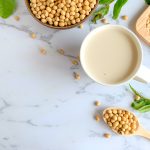
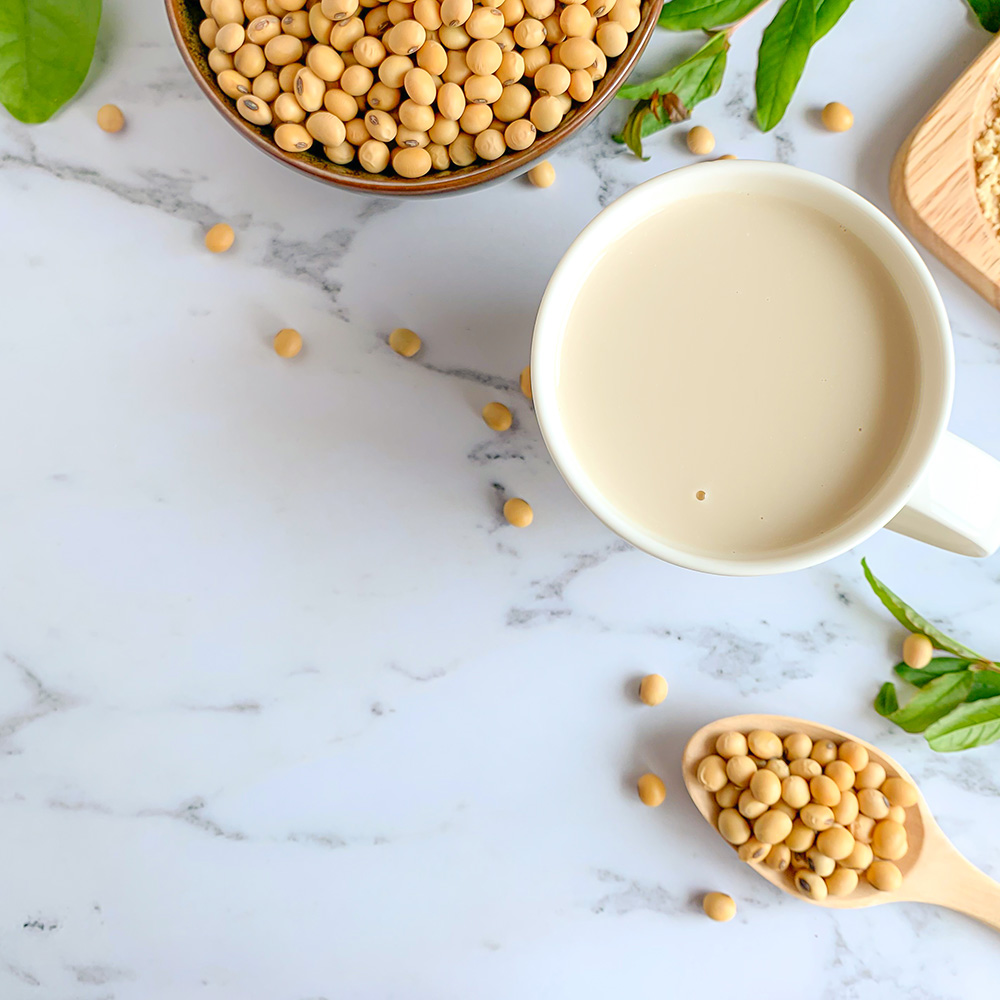
    There is growing evidence linking a soy-rich diet to cancer prevention. Residents of countries where soyfoods are regularly consumed are less likely to develop certain cancers. For example, breast cancer mortality rates are much lower in Asia. In the U.S., where soyfoods are consumed less often, women are four times more likely to die of breast cancer than Japanese women. Research indicates that soyfoods help protect against several types of cancer, including lung, colon, rectal, stomach, and prostate cancer. One reason may be that soyfoods are rich in compounds called phytochemicals.

    One particular family of phytochemicals, isoflavones, may fight cancer in a variety of ways. Isoflavones are found in significant amounts only in soybeans and in soyfoods, such as tofu, soy milk, tempeh, and textured soy protein.
    One isoflavone, Genistein, has captured special attention.

    Genistein is a chemical compound found only in soy in our daily foods. Dr. Lothar Schweigerer at Heidelberg University discovered that genistein blocks an event called angiogenesis, the growth of new blood vessels that nourish malignant tumors. Once a tumor grows beyond a millimetre, it must foster the growth of new blood vessels to support its growth.

    An increase in tumor size must be accompanied by an increase in blood vessel formation.

    Tumors can thrive only when tiny networks of new blood vessels supply them with nutrients and oxygen. “By inhibiting blood vessel growth, genistein may keep new tumors from growing beyond harmless dimensions and eventually lead to shrink of the tumor” When genistein is added to live cancer cells in laboratory test tubes, they stop growing. More than 100 studies on a variety of cancer cells have demonstrated the effectiveness of genistein.

    Genistein is thought to act against cancer in other ways as well, some similar to common cancer-treating drugs. For example, scientists believe certain enzymes in the body convert normal cells to cancer cells. Some cancer drugs simply inhibit these enzymes. In cancer cells, genistein has been shown to do the same.

    Genistein Cancer Studies
    Genistein may also work against cancers that depend on hormones to grow, such as breast and prostate cancer. Genistein may interfere with these hormones, thus inhibiting the development of cancer cells and tumors. Some research even indicates that genistein interferes with the process by which tumors receive nutrients and oxygen.

    Researchers at the University of Minnesota attached genistein to antibodies and injected them into mice with leukaemia. All these mice survived, while a group of mice that did not get genistein died within three months.

    These discoveries could have important implications for treatment of solid tumors, including malignancies of the breast, prostate, colon, and brain. Overall, isoflavones may have a role in the management of prostate cancer. The beneficial effects of isoflavones include:

    • A decrease in blood androgen (testosterone) levels by increasing the level of SHBG (sex-hormone binding globulin). SHBG binds to testosterone. Therefore, less testosterone is available to help the cancer grow.
    • Binding to androgen receptors. As a result, more potent sex hormones (testosterone, dihydrotestosterone) are blocked from binding to the receptors and stimulating cancer growth.
    • Inhibition of alpha-5 reductase, an enzyme that converts testosterone to its most potent form (dihydrotestosterone).
    • Restriction of other enzymes associated with cancer cell growth.
    • Inhibition of tumor blood vessel formation. Blood vessel growth within the tumor allows the cancer to grow and spread.
    • Decrease in insulin growth factor-1 (IGF-1), which may be a marker for increased prostate cancer risk.

    Prostate cancer incidence and mortality rates in Asian countries are much lower than in the United States. Research suggests that one of the reasons for this difference in incidence rates may be the high soy protein content in the Asian diet. In countries such as Japan, Korea, China, and Taiwan, the estimated isoflavone mean daily intake is between 10-50 mg per day, as compared to 1-3 mg per day for Americans.

    Studies point to diet as a major factor in the incidence of prostate cancer. In fact, migration studies have shown men from low-risk countries who move to the United States ultimately have the same risk for prostate cancer as the rest of the U.S. population. Researchers believe that this risk increase may be in part due to the change from a diet high in isoflavones to a more Westernized diet, which is low in isoflavones, lower in fruits and vegetables and higher in total fat. Cell culture and animal studies have shown that genistein inhibits tumor growth.

    In one study, a group of human prostate cancer cells was treated with genistein and another group was left untreated. Prostate cancer cell growth was inhibited only in the cells treated with genistein. In another study, prostate cancer cells were transplanted into animal models. These animals ate either a soy-free diet or a soy-based diet. The progression of prostate cancer was reduced by 25% in the animals on the soy-based diet versus the animals on the soy-free diet.

    Louis Warschaw Prostate Cancer Center Recommendations:

    • Soy protein intake should be 35 to 40 grams per day.
    • A good way to add soy protein to your diet is by having a soy-protein smoothie with breakfast. Some soy protein isolate powders have up to 20 grams of soy protein and 20 mg of isoflavones per serving. (This is half of your recommended intake)
    • Avoid soybean oils. Soybean oil does not contain beneficial isoflavones.
    • It is best to get your isoflavones as they occur in soy products, such as soy protein isolate powder, tofu, and soy meat substitutes. Avoid isoflavone supplements, which may not provide the proper balance of genistein to daidzein.
    • Start increasing your soy intake gradually. Large amounts of soy contain high amounts of soluble fiber, which can cause gastrointestinal discomfort.

    Because, as previously mentioned, the incidence of breast cancer in Japan is far lower than in western countries like the U.S., and because the soy intake of Japanese women has historically been several hundred times higher than western women, a great deal of speculation has been devoted to the role that soy may play in preventing breast cancer.

    When researchers isolated statistics about the intake of isoflavone-rich foods (particularly soy foods and miso soup) and measured them against the breast cancer information, three results stood out significantly:

    • Consumption of isoflavone-rich foods and miso soup was associated with a decreased risk of breast cancer .
    • Consumption of soy foods alone was NOT associated with a decreased risk of breast cancer .
    • The decreased risk of breast cancer was strongest among postmenopausal women

    Using Zapper Digital with the Soy Diet anti-cancer therapy is a sure guarantee of the greatest benefits. The Zapper can be used synergistically with all herbal treatments

    [code_snippet id=5 format]


  • Bruess Therapy Cancer Treatment Program
    Bruess Therapy Cancer Treatment Program

    Bruess Therapy Cancer Treatment Program

    Breuss maintained that cancer, whenever it occurs in the body, feeds and grows from protein. He therefore deduced that if one fasted for what has now been confirmed as an ideal period of 42 days, during which various herbal teas and juices are taken to detoxify, cleanse and eliminate, the cancer would starve, be absorbed and subsequently pass out of the body one way or another.
    Radical thinking that flew in the face of the accepted medical wisdom, but is now used all over the world and known as the Breuss Total Cancer Treatment.

    Raw fruit and vegetable juices have always been used and recommended in natural medicine as part of the healing system for many ailments and chronic complaints. Raw juices contain antioxidants and living enzymes that science has identified as an imperative part of everyone’s diet if they wish to stay healthy and maintain a defense against all the toxins of today’s environment.

    It is against this backdrop that Rudolf Breuss developed his Total Cancer Treatment, utilising the therapeutic properties of vegetable juices and herbal teas that have been implicated in the cure of many types of cancer.
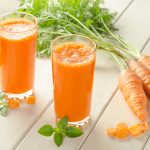
    Breuss developed a specific mixture of organically grown carrot, beetroot, celery, Chinese radish and potato worked wonders on his patients. His mixture provided, in liquid form, all of the minerals and vitamins required by the body during the 42 day fast, whilst the body’s own resources are used in dealing with the diseased tissue.
    Testimonial after testimonial confirmed that his treatment worked.
    The same blend of the juice is used in all manners of diseases, taken for a lesser period of time or with food, depending on the severity of the condition. Breuss’s book outlines cures for a variety of ailments – serious and those not so serious.

    Bruess Cancer Studies

    Various cancers, leukaemia and prostate disorders – even hay fever and infertility – have a cure according to Breuss!
    When it got to the stage that Breuss could no longer cope with the huge demands of sufferers on his time, he retired. In order that his methods should continue to be available he put his life’s work into a book which was published first in German and subsequently in French, Italian, Serbo Croat and English. Sales of the book now exceed 900,000 worldwide.
    It is easy to see why Hilde Hemmes was so inspired when she heard his story. “Rudolf Breuss was a shining example of what a natural healer should be and he has been an inspiration to me. I have tried his six day vegetable and herbal tea cleansing diet and recommend that everyone should give their bodies a rest every six months. I felt absolutely fantastic and re-energised” said

    The Breuss-Cure, which originated in Germany, lasts for 6 weeks.

    A maximum of 500ml of freshly pressed vegetable juices is used, mainly beetroot with some carrot, celery and radish. In addition, herbal teas and onion broth are recommended. The treatment is claimed to have cured thousands.

    The book, The Breuss Cancer Cure, details the Breuss diet. It has sold over 900,000 copies, been translated into five languages, and claims to have led to over 45,000 testimonials from cured sufferers. Both the book and the diet are still actively being used.
    The Breuss diet is based on a 42 -day fast, but the definition of “fast” used in the Breuss diet actually includes certain types of foods, such as raw fruits and vegetable juices, all taken in liquid form. The theory is that cancer cells can only live on the protein of solid food.
    Therefore, if you drink nothing but vegetable juice and teas for 42 days the cancerous cells die while the normal cells continue to thrive.
    “Breuss juice vegetable juice that consists of 55% red beet root, 20% carrots, 20% celery root, 3% raw potato, 2% radishes … The potato is optional except for liver cancer where it plays an important part.” His book actually talks about multiple diseases.
    The diet contains virtually zero glucose and other sugars. Researchers also believe it works because cancer cells are very inefficient at processing glucose and other sugars and that the formula literally starves the cancer cells to death by depriving them of glucose and other sugars.
    Normal cells can survive on much less glucose and other sugars because they are much more efficient at processing these items.
    Filtered green tea and filtered Essiac tea have been natural enhancements to the Breuss diet.

    Rudolf Breuss was a healer from Austria, an educated man who had an incredible understanding of, and love for, his fellow human beings. Born in 1899, he turned his attention to finding an alternative and more gentle treatment for cancer and other diseases than that offered by conventional medicine. It was a simple German book written over 300 years previously that expounded the value and use of fruit and vegetable juices which was to capture his attention and direct his work for the rest of his life.

    [code_snippet id=5 format]


  • MMS Therapy Cancer Treatment Program

    MMS Therapy Cancer Treatment Program

    MMS Therapy Cancer Treatment Program

    MMS® (chlorine dioxide) – a miracle supplement and inexpensive DIY treatment for Cancer, Aids and many other diseases

    “Chlorine dioxide has been proven to be cidal to almost all known infectious agents in vitro using remarkably low concentrations. This includes parasites, fungi, bacteria and viruses.” from The Miracle Mineral Supplement of the 21st Century, Pt. 2, by Jim V. Humble

    “Cancer, including leukemia: The theory here is the same. Chlorine dioxide gives the immune system almost perfect ammunition to attack cancer cells. We believe the theory has proven true as many people with cancer have told us that the cancer went away or reduced greatly after taking the MMS. However, there is not yet enough research in this area. Still, it’s a lot better than standard medical treatment.

    People have often told us, and we have noticed, that skin cancer usually dries up and drops off within one week of taking 15 drops of MMS twice a day. We do not claim that the MMS causes the effect, but we did observe the effect. Some cancers are harder to treat than others .

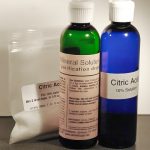
    … when one is working with cancer and it is not getting better an overruling concept is that you are not taking enough MMS. Start as always with 2 drops in the morning and go to 3 drops in the afternoon. Then 4 drops the next morning, then begin taking it every 4 hours, then every 2 hours. Keep increasing the dosage and frequency of taking the doses. Anytime you begin to notice nausea, decrease the number of drops in the doses. Then begin increasing the number of drops right away again. You could get up to 10 drops every 2 hours while awake. Also remember, you must always activate with vinegar, or lemon, or citric acid solution, and of course, use the 3 minute wait before adding juice or water to drink it. I favor the citric acid, using 5X the number of MMS drops. The secret is more drops and keep at it until the cancer is gone. Find some way of checking to see if it is getting better.
    MMS Cancer treatment method
    Do not hesitate to go to at least 30 drops twice a day of the MMS, or 15 drops four times a day when necessary, or more. Just keep taking less if you notice nausea, but then continue to increase when the nausea goes away.

    You can get an idea if the MMS will handle the problem by evaluating the nausea. That is, if you start out at say one drop or even 1/2 drop and it does not make you nauseous and then you begin to increase the drops twice a day once in the morning and once in the evening. That is if 1/2 drop doesn’t make you nauseous in the morning, then in the evening or late afternoon try one full drop. Then the next morning take two drops and in the evening 3 drops. Sooner or later the number of drops is going to make you nauseous. You then take a drop or two less the next dose for a time or two and continue to increase the drops. You are always looking for the nauseous point, taking less for a time or two and attempting to take more.

    You will be able to know if it is going to help you if you can continue to pass the nausea point and increase the drops. What is happening is that when nausea hits, some of the cancer has been destroyed and it is now a poison that the body can clear out. Being able to clear out this poison is a part of it. The body can clear this poison out but it might generate some nausea in the process, or diarrhea or even vomiting. That’s not bad. The idea is that as the cancer is destroyed the body must clean out the poisons. As the cancer is destroyed the body can tolerate more and more drops. That’s the indicator, is the body being able to tolerate more and more drops? If you find that you finally can increase the drops without getting nauseous it is an indicator that the body is doing its job.

    In the case of cancer, you have got to work at it. You start out slowly but increase quickly. At first you might just take the drops twice a day, but as you find you can do it twice a day without nausea, then increase to three times a day, and then four, and even as much as five times a day.

    [code_snippet id=5 format]


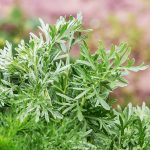
  • Sweet Wormwood Cancer Treatment Program
    Sweet Wormwood Cancer Treatment Program

    Wormword is a major treatment in the Dr Hulda Clark Parasite program, along with the use of the Frequency Zapper to target various parasites in the body.
    Wormwood is also an amazing Anti-Cancer treatment.
    Traditional Chinese Medicine has yielded a promising new approach for treating cancer. Seattle scientists have shown that a compound extracted from the wormwood plant seeks out and destroys breast cancer cells, while leaving healthy cells unscathed.
    Potentially, a safe, non-toxic, and inexpensive alternative for cancer patients,
    Artemisia is a close cousin to oxygen therapy. Chinese researchers said the key to its effects was a peroxide linkage (two oxygen atoms hooked together) within the herb’s active molecule.

    In laboratory experiments, the compound killed virtually all human breast cancer cells exposed to it in the test tube within 16 hours, reports Dr. Henry Lai, a bioengineering researcher at the University of Washington. Just as importantly, he says, nearly all of the normal cells exposed to it were still alive.
    A dog with a type of bone cancer known as osteosarcoma so severe that it couldn’t walk across the room made a complete recovery within five days of receiving the treatment. X-rays showed the animal’s tumor had basically disappeared says Lai, adding that he believes the dog is still alive two years later.
    Not only does [the drug] appear to be effective, but its very selective, Lai says. its highly toxic to the cancer cells, but has a marginal impact on normal cells.

    Artemisia isn’t new at all. Chinese folk practitioners extracted it from the plant Artemisia annua L. commonly known as wormwood, thousands of years ago for use in the treatment of malaria, Lai says.
    Artemisia Cancer Treatment
    After a secret recipe for the treatment was discovered on a stone tablet in the tomb of a prince of the Han Dynasty during an archaeological dig in the 1970s, Artemisia re-emerged as a therapy for the mosquito-borne disease, Lai recalls. In fact, a purified form of the plant compound is now the drug of choice for treating malaria in many areas, particularly where Quinine-resistant strains have emerged, he says.

    Experiments into why Artemisia works as an anti-malaria agent led to its tests as an anticancer drug. The key turned out to be a shared characteristic of the malaria parasite and dividing cancer cells: high iron concentrations.
    When Artemisia, or any of its derivatives, meets iron, a chemical reaction ensues, spawning charged atoms that chemists call free radicals. In malaria, the free radicals attack and bind with cell membranes, breaking them apart and killing the single-cell parasite. Cells need iron to replicate DNA when they divide, Lai says. And since cancer is characterized by out-of-control cell division, cancer cells have much higher iron concentrations than do normal cells.

    On their surfaces, cancer cells also have more so-called transferrin receptors, cellular pathways that allow iron to enter, than healthy cells. In the case of breast cancer, the cells have five to 15 times more transferrin receptors on their surface than normal breast cells, Lai says. The thrust of the strategy, according to Lai, is to pump up cancer cells with even more iron and then introduce Artemisia to kill them selectively. In the experiments, Lai subjected sets of both breast cancer cells and normal breast cells to either a compound known as holotransferrin, which binds with transferrin receptors to transport iron into cells and thus further increases the cells iron concentrations; a water-soluble form of Artemisia; or a combination of both compounds.

    Cells exposed to just one of the compounds showed no appreciable effect, Lai reports. But the response by cancer cells when hit with first holotransferrin, then Artemisia, was dramatic, he says.
    After eight hours, three-fourths of the cancer cells were obliterated, 16 hours later, nearly all the cancer cells were dead. Just as importantly, he says, the vast majority of normal breast cells did not die, showing the safety of the treatment. This success is particularly noteworthy in that breast cancer cells that were resistant to v radiation were utilized in the experiment, Lai adds. So that means this approach might work for cancer resistant to conventional therapy. As might be expected, more aggressive cancers such as, pancreatic and acute leukemia, which have rapid cell division and thus higher iron concentrations, respond even better.

    He says: In a separate study, the therapy eliminated leukemia cells in the test tube within eight hours. The next step, according to Lai, is further animal testing, followed by human trials. First, the patient would be given iron supplements to raise iron concentrations in his or her cancer cells, he says, and then the compound would be given in pill form.

    While human tests are still years away, the treatment could revolutionize the way cancer, especially aggressive, fast-growing one, is approached if it lives up to its early promise, he adds. The fascinating thing is that this was something the Chinese used thousands of years ago, Lai says. “We simply found a different application.” The application is logical. There’s a wealth of research linking iron and cancer: One study, for example, showed that three times as much iron could be extracted from malignant breast tissue as from benign tissue. Elevated iron storage was found in 88% of the breast cancer patients studied. Given this shared characteristic of malaria and cancer cells, why did it take so long to think of it? That, Lai says, is a mystery; Maybe people just don’t think of simple ideas.

    Wormwood is available as a tincture (liquid) or in Pill form. Dr Hulda Clark recommends the use of the Wormwood tincture for parasites, at about 20 drops per treatment (day).

    One could also follow this treatment for anti-cancer therapy along with a Zapper Digital Professional programmed at a specific cancer frequency (see ETDFL frequency link below for all cancer zapping frequencies)

    [code_snippet id=5 format]


  • Mangosteen Cancer Treatment Program

    Mangosteen Cancer Treatment Program

    Various studies have shown that phytoceuticals in Mangosteen Skin (in some cases known to be its xanthones) have properties such as: anti-tumor (shrinks tumors), anti-leukemia, antifungal (critical for all cancer patients), antibacterial (to protect DNA), antioxidants (at least two dozen different kinds of xanthones are in the mangosteen fruit), antiproliferation, kills cancer cells and causes apoptosis (programmed cell death) for some types of cancer. This is a pretty impressive list of cancer credentials!

    In keeping with the superb anti-cancer properties of many kinds of fruits, especially grapes and berries, mangosteen can be added to this exclusive list.

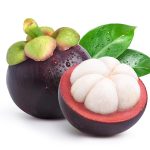
    The mangosteen fruit (Garcinia mangostana L.) is grown in Thailand, Cambodia, Vietnam, India and several other countries. Most of the scientific research on this fruit involves about a half dozen of the two dozen known xanthones in this fruit. Most of the xanthones in Mangosteen have yet to be researched. Mangosteen has a wide range of benefits, perhaps most result from its xanthone phytoceuticals/antioxidants. However, mangosteen also contains: catechins, polyphenols, minerals and vitamins.

    Mangosteen is an excellent antioxidant and ranks highly among other plants.

    “A new laboratory test known as ORAC (Oxygen Radical Absorbance Capacity) has also shown that an ounce of mangosteen juice (Fruit, Pulp and Skin) has 20 to 30 times the ability to absorb free radicals than one ounce of most fruits and vegetables. The ORAC test is one of the most accurate ways to measure the ability of antioxidants in a certain substance to absorb free radicals. The higher the ORAC score, the better the food is for the body.
    Mangosteen and Cancer Studies

    Here are some of the xanthones in mangosteen:

    • alpha-Mangostin
    • beta-Mangostin
    • 3-Isomangostin
    • Mangostanol
    • Gertanin
    • Garcinone A
    • Garcinone B
    • Garcinone C
    • Garcinone D
    • Garcinone E
    • Maclurin

    In terms of direct studies on cancer, the following quote applies:

    “We found that antiproliferative effect of CME [crude methanolic extract] was associated with apoptosis on breast cancer cell line by determinations of morphological changes and oligonucleosomal DNA fragments. In addition, CME at various concentrations and incubation times were also found to inhibit ROS production. These investigations suggested that the methanolic extract from the pericarp [skin] of Garcinia mangostana had strong antiproliferation, potent antioxidation and induction of apoptosis. Thus, it indicates that this substance can show different activities and has potential for cancer chemoprevention which were dose dependent as well as exposure time dependent.”*

    Heres is another study:

    “Our results have shown that one of the xanthone derivatives which could be identified as garcinone E has potent cytotoxic effect on all HCC cell lines as well as on other gastric and lung cancer cell lines included in the screen. We suggest that garcinone E may be potentially useful for the treatment of certain types of cancer.”
    “Garcinone E, a Xanthone Derivative, has Potent Cytotoxic Effect Against Hepatocellular Carcinome Cell Lines” by Chi-Kuan Ho, Yu-Ling Huang and Chieh-Chih Chen

    Some of the more impressive research on mangosteen involve leukemia:

    “We examined the effects of six xanthones from the pericarps of mangosteen, Garcinia mangostana, on the cell growth inhibition of human leukemia cell line HL60. All xanthones displayed growth inhibitory effects. Among them, alpha-mangostin showed complete inhibition at 10 microM through the induction of apoptosis.”
    “Induction of apoptosis by xanthones from mangosteen in human leukemia cell lines,” by Matsumoto K, Akao Y, Kobayashi E, Ohguchi K, Ito T, Tanaka T, Iinuma M, Nozawa Y.

    One of the nice things about mangosteen is not only that it tastes good, but is also anti-diarrheal, meaning you are not likely to get diarrhea from drinking too much Mangosteen. But Remember for the greatest healing benefits of Mangosteen, you must juice all the fruit, (Pulp, Fruit and Skin)

    Also suggested is that the Skin of the Mangosteen has many of the Anti Cancer Molecules

    Strangely enough, the portion of the mangosteen fruit that we would normally consider edible has very few nutrients. It’s the exocarp, or rind of the mangosteen that provides the greatest benefit. This rind is strongly astringent, containing tannins and other chemicals intended to keep insects away from the fruit. However, it’s the healthiest portion of the mangosteen. Because of the unpleasant taste that comes with processing the mangosteen skin along with the fruit, most mangosteen juices are actually blends. They contain other strongly antioxidant fruits to improve the health benefits and taste of the mangosteen juice.

    If you’re looking at purchasing mangosteen products for health purposes, and not just taste, be sure you buy ones that include the processed whole fruit. The overall nutrient profile of the edible fruit portion of mangosteen is surprisingly devoid of nutrients, despite its much praised taste. Therefore, it’s necessary to include the dark-colored, less edible exocarp to receive the health benefits.

    * “Antiproliferation, antioxidation and induction of apoptosis by Garcinia mangostana (mangosteen) on SKBR3 human breast cancer cell line,” by Moongkarndi P, Kosem N, Kaslungka S, Luanratana O, Pongpan N, Neungton N.

    [code_snippet id=5 format]


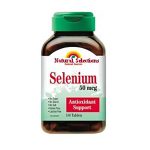
  • Selenium Cancer Treatment Program

    Selenium Cancer Treatment Program

    One of the most effective naturally occurring weapons against cancer is, like most healthy things, something many of us are not getting enough of. The mineral selenium has been shown in multiple studies to be an effective tool in warding off various types of cancer, including breast, esophageal, stomach, prostate, liver and bladder cancers. Not many people get the recommended dose of 200 micrograms a day. Most Americans only get between 60 and 100 micrograms of selenium daily from dietary sources, according to the Life Extension Foundation’s Disease Prevention and Treatment. That means daily supplements might be worth considering.

    Selenium was first used in conventional medicine as a treatment for dandruff, but our understanding of the mineral has come a long way since then. Today, research shows selenium, especially when used in conjunction with vitamin C, vitamin E and beta-carotene, works to block chemical reactions that create free radicals in the body (which can damage DNA and cause degenerative change in cells, leading to cancer).

    Selenium also helps stop damaged DNA molecules from reproducing. In other words, selenium acts to prevent tumors from developing. “It contributes towards the death of cancerous and pre-cancer cells. Their death appears to occur before they replicate, thus helping stop cancer before it gets started,” says Dr. James Howenstine in A Physician’s Guide to Natural Health Products That Work.”

    Selenium makes chemotherapy safer, more effective:
    In addition to preventing the onset of the disease, selenium has also been shown to aid in slowing cancer’s progression in patients that already have it. According to the Life Extension Foundation, the use of selenium during chemotherapy in combination with vitamin A and vitamin E can reduce the toxicity of chemotherapy drugs. The mineral also helps “enhance the effectiveness of chemo, radiation, and hyperthermia while minimizing damage to the patient’s normal cells; thus making therapy more of a ‘selective toxin,’” says Patrick Quillin in Beating Cancer with Nutrition.
    Selenium Cancer Treatment Studies
    A 1996 study by Dr. Larry Clark of the University of Arizona showed just how effective selenium can be in protecting against cancer. In the study of 1,300 older people, the occurrence of cancer among those who took 200 micrograms of selenium daily for about seven years was reduced by 42 percent compared to those given a placebo. Cancer deaths for those taking the selenium were cut almost in half, according to the study that was published in the Journal of the American Medical Association.

    While the study concluded the mineral helped protect against all types of cancer, it had particularly powerful impacts on prostate, colorectal and lung cancers.
    Jean Carper, in Miracle Cures, called Dr. Clark’s findings an “unprecedented cancer intervention study” that “bumped up the respectability of using supplements against cancer several notches.”

    Food sources of selenium

    Although too much selenium can actually be toxic to the system, research indicates the majority of the population is not getting enough of the essential mineral. So, how can we up our intake of selenium and help our bodies fight cancer? The good news is there are some good dietary sources of selenium: Mushrooms, egg yolks, seafood, poultry and kidney, liver and muscle meats contain the mineral. Vegetables — garlic, onions, broccoli, asparagus, tomatoes and others — as well as whole grains and seeds can also be good sources of selenium.
    However, because the amount of selenium in vegetables and grains depends on the selenium content in the soil in which they are grown, it can be hard for average consumers to know how much of the mineral they are actually getting in their diets. “The selenium content of food is largely dependent on the content of volcanic ash in the soil on which the food was grown, with higher volcanic ash content yielding higher selenium levels.

    Soil that is irrigated by seawater, such as much of California’s cropland, also contains higher levels of selenium,” says Sue Gebo in What’s Left to Eat. Gebo adds that, in general, soil in the western United States is richer in selenium than soil in the eastern part of the country.
    Study by: Scientific Library Brazil:
    Coconut can also be a good selenium source.
    A Varian model AA-800 atomic absorption spectrometer equipped with a graphite furnace and a GTA 100 autosampler was used for selenium determination in coconut water and coconut milk. For six samples, the selenium concentration in coconut water varied from 6.5 to 21.0 mug L-1 and in coconut milk from 24.2 to 25.1 mug L-1.
    Accordingly, geography can have a significant impact on diet. In Antioxidants Against Cancer, author Ralph Moss PhD, says one theory for why cancer rates are so high in Linxian, China, dubbed “the ‘world capital’ of cancer,” is that the soil is deficient in the essential minerals selenium and zinc.

    In Earl Mindell’s Supplement Bible, Earl Mindell RPh PhD, suggests part of the reason American men are five times more likely than Japanese men to die from prostate cancer could be because, in general, “the Asian diet contains four times the amount of selenium as the average American diet.”
    Another reason it seems to be difficult for Americans to get enough selenium is the processing many of our foods go through before they make it onto grocery store shelves. Mindell points out, for example, that processing wheat into white flour strips it of a great deal of its selenium.

    One way to get more selenium in your diet might be to eat more organically grown foods, which some studies have shown to contain more selenium as well as higher levels of beta carotene and vitamin E. These two work together with selenium in cancer prevention, according to Alternative Medicine author Burton Goldberg.
    Perhaps a more surefire way to boost your selenium intake is to add supplements to your diet. Mindell advocates the use of supplements, saying, “To me, taking selenium supplements, in addition to eating selenium-rich foods, is good insurance against disease.”

    However, for those who oppose taking pills, Dr. Andrew Weil in Ask Dr. Weil says eating just one shelled Brazil nut — grown in the selenium-rich soil of central Brazil — provides 120 micrograms of the mineral, getting you that much closer to the daily target of 200 micrograms.
    Although extremely high doses of selenium can have toxic effects, most people are not at risk for such an overdose, and could, in fact, use more of the mineral. Simply adding more selenium-rich foods, such as organically grown vegetables and fruits to your diet, along with supplements, can help reduce your risk of cancer.

    And another positive side effect of selenium, according to Eat and Heal, by the Editors of FC&A Medical Publishing, is that it can actually improve your mood. Those editors write, “People who don’t eat enough selenium-rich foods tend to be grumpier than people with a high dietary intake, according to recent research.” So, go ahead and crack a Brazil nut open and smile.

    The experts speak on selenium and cancer

    Selenium Mechanisms

    There are several possible mechanisms for the protective effect of selenium. Selenium activates an enzyme in the body called gluthathione peroxidase that protects against the formation of free radicals—those loose molecular cannons that can damage DNA. In this situation, selenium may work interchangeably (and in synergy) with vitamin E. In test tube studies, selenium inhibited tumor growth and regulated the natural life span of cells, ensuring that they died when they were supposed to instead of turning “immortal” and hence malignant. Because of this particular action, the University of Arizona researchers say that selenium could be effective within a fairly short time frame.

    The safest antioxidants are vitamin C, vitamin E, selenium, and beta-carotene. Together, they block the chemical reactions that create free radicals, which can damage DNA and promote a variety of degenerative changes in cells. Chemotherapy and radiation generate free radicals; that is how they kill dividing cells.
    Ask Dr Weil by Andrew Weil MD, page 47
    At the Yunnan Tin Corporation in China there is a very high rate of lung cancer among the miners. Forty healthy miners were given selenium supplements for a year. The selenium, which increased in their blood, boosted a key detoxifying enzyme system while simultaneously decreasing dangerous lipid peroxide levels by nearly 75 percent. It also protected against cancer-causing substances and ultraviolet radiation.
    Doctors at the Chinese Academy of Medical Sciences concluded that selenium supplements were a safe and effective food supplement for people.
    Cancer Therapy by Ralph W Moss PhD, page 112

    Numerous mechanisms have been explored to explain the modulation of carcinogenesis by selenium (Medina 1986, El-Bayoumy 1991). The best characterized function of selenium in mammalian cells is as a component of the seleno- enzyme, glutathione peroxi-dase. This enzyme is localized in the cytosol and mitochondrial matrix, and it eliminates organic peroxides from the cell (Medina 1986).
    However, available evidence suggests that the prevention of carcinogenesis by selenium is not related to its function in glutathione peroxidase (Medina 1986). Other seleno- proteins have been identified, but their impact on carcinogenesis is not defined (Medina 1986). There is some evidence that selenium may alter the metabolism of carcinogens or the interaction of chemical carcinogens with DNA, but there is considerable controversy in the literature (Medina 1986). Additional mechanistic studies suggest that selenium may alter cell proliferation and/or immunologic responses (Medina 1986, El-Bayoumy 1991).

    Further research is needed to understand the mechanisms whereby selenium prevents cancer.
    Carcinogens Human Diet by National Research Council, page 100

    Selenium is needed to produce glutathione peroxidase, an antioxidant enzyme that protects the body from free radical damage. It is also important in preventing cancer and cardiomegaly an enlargement of the heart that causes premature aging and early death.
    Complete Encyclopedia Of Natural Healing by Gary Null PhD, page 11

    The best known functions of selenium at nutritionally adequate, but not at excessive, levels are its role as a part of the enzyme glutathione peroxidase and its interaction with heavy metals. Glutathione peroxidase destroys hydroperoxides and lipoperoxides, thereby protecting the constituents of the cells against free radical damage. Ip and Sinha (1981) have shown that selenium, through its function in glutathione peroxidase, could well be involved in protecting against cancer induced by high intakes of fat, especially polyunsaturated fatty acids.
    Glutathione peroxidase activity in human blood increases with increasing selenium intakes, but reaches a plateau at intakes well below those customary in the United States (Thomson and Robinson, 1980). Thus, if the antitumorigenic effect of selenium is mediated through its function in glutathione peroxidase, attempts to increase the enzyme activity by selenium supplementation, superimposed on an adequate diet in the United States, would not be successful.

    The second function of selenium is to protect against acute and chronic toxicity of certain heavy metals. Although selenium is known to interact with cadmium and mercury, the mechanism of action is not known. Selenium does not cause an increased elimination of the toxic elements, but, rather, an increased accumulation in some nontoxic form (National Academy of Sciences, 1971). It is conceivable that carcinogenic effects of these, and perhaps other heavy metals, could be counteracted by selenium, in a manner similar to its protection against their general toxicity.

    Diet Nutrition Cancer by National Research Council, page 168

    Selenium’s main function in the body is to convert hydrogen peroxide to water, which is important for cellular health. Herbal Medicine Healing Cancer by Donald R Yance Jr, page 193
    All of the body’s tissues contain selenium, but it is most plentiful in the liver, kidneys, spleen, pancreas, and testes. Selenium works synergistically with vitamin E to protect tissues and cell membranes, aid in the production of antibodies, and help maintain a healthy heart and liver
    Prescription For Dietary Wellness by Phyllis A Balch, page 44

    Selenium Dosage/Administration

    It has been reported that selenium doses of about 250-300 micrograms a day (diet and supplements) would be helpful in preventing cancer. If an average person consumes 125 to 150 micrograms of selenium a day, an additional supplemental amount of 100 micrograms is unlikely to produce any major side effects.

    Choices In Healing by Michael Lerner, page 612
    Recommendation: Take selenium aspartate in a dose of 100 to 200 micrograms daily..
    Doctors Complete Guide Vitamins Minerals by Mary D Eades MD, page 496

    Selenium is a mineral with anticancer activity. But the anticancer effects of selenium are greatly reduced when there is an insufficient intake of vitamin E. Rats who receive a normal amount of vitamin E in their diets showed a 45 percent decrease in tumors when they were given selenium. But they only had a 25 percent decrease if their diet was low in vitamin E. In fact, vitamin E was considered more important than selenium in decreasing “oxidant stress” to the fat of the breast.

    Cancer Therapy by Ralph W Moss PhD, page 74

    In the treatment of cancer the dosage is generally about 10,000 micrograms, still nearly one hundred times the National Academy of Science’s recommended dose. Revici’s treatment is more complicated than just organic selenium. He only uses selenium in patients whom he deems to be in a “catabolic,” as opposed to an “anabolic,” state. He has devised a number of urine tests to find whether a patient is in one condition or the other. Selenium is given when the urine has a low specific gravity, a high surface tension and a pH above 6.0. The alkalinity of the urine is supposed to reflect the state of the body’s defenses against tumors.

    Cancer Therapy by Ralph W Moss PhD, page 112

    Selenium levels show a U-shaped correlation with prostate cancer. In other words, both low and high blood levels of selenium increase risk. This simply means that we need enough selenium to maintain good health, yet too much can be dangerous. A practical compromise is to use a supplement that provides 100 I.U. of vitamin E (up to 400 I.U. would be fine), and about 50 micrograms of selenium.

    20 Natural Ways To Reduce The Risk Of Prostate Cancer By James Scala PHD, page 60

    Unlike selenome thionine, which is incorporated into protein in place of methionine, SMSC is not incorporated into any protein, thereby offering a completely bioavailable compound. In animal studies, SMSC has been shown to be 10 times less toxic than any other known form of selenium. The recommended dose of Se-methylselenocysteine (SMSC) is 200-400 mcg a day for cancer patients.
    Disease Prevention And Treatment by Life Extension Foundation, page 316

    Selenium Sources

    You need just three Brazil nuts to get the 200 micro-grams of selenium that studies have shown to have a potent anti-cancer effect. As a bonus, when you eat Brazil nuts, which grow best in the Amazon rain forest, you support the conservation of one of my favorite places on earth. So you’re not only protecting your body, you’re saving the environment.

    Anti-Aging Prescriptions by James Duke PhD, page 90 The Garlic Connection. It has long been noted that people who ate garlic, onion, broccoli, and whole grains had a reduced risk of cancer. It turns out that all of these foods are rich in selenium, in fact, selenium is one of the reasons that these particular foods are so healthful for us.

    Antioxidants Against Cancer by Ralph Moss PhD, page 77

    If you’re not fond of popping pills, you can get 120 micrograms of selenium in just one Brazil nut. Buy the shelled kind—they’re grown in a central region of Brazil where the soil is richest in the mineral. Other good sources are tuna fish, seafood, wheat germ, and bran.
    Ask Dr Weil by Andrew Weil MD, page 207

    One good food source is Brazil nuts, which happen also to contain at least one other anticancer substance, ellagic acid. One large nut can provide over 50 mcg of selenium. When Cornell scientist Donald J. Lisk and his colleagues ate six Brazil nuts a day for three weeks, their blood levels of selenium rose between 100 and 350 percent.

    Cancer Therapy by Ralph W Moss PhD, page 122

    Selenium—An essential trace mineral found in fruits and vegetables, selenium helps the body produce functional glutathione peroxidase, an enzyme essential for detoxification. Low dietary levels of selenium have been correlated with a higher incidence of cancer; accordingly, supplementation of this nutrient acts as a deterrent against cancer in general.

    Alternative Medicine by Burton Goldberg, page 591

    Red clover is also rich in calcium, manganese, and selenium, which is a key cancer-fighting antioxidant. I munch the flower heads, but not everyone likes them. Some people dry the flower heads, turn them into a powder, and add them to soups.

    Anti-Aging Prescriptions by James Duke PhD, page 61

    The debate continues regarding the active ingredients in garlic, but they may include amino acids (like the branched chain amino acids of leucine and isoleucine), S-allyl cysteine, allicin, and organically-bound selenium…Garlic grown on selenium-rich soil was more effective than selenium supplements at inhibiting carcinogen-induced tumors in animals. A study published in the Journal of the National Medical Association referred to garlic as “..a potent, non-specific biologic response modifier.”

    Beating Cancer With Nutrition by Patrick Quillin, page 147

    A particularly worthy form of selenium is Se-methylselenocysteine, currently available and attracting positive attention. This is the form of selenium found naturally in plants such as broccoli and garlic. A suggested selenium dosage (as a preventive) is 200 mcg a day. The optimal dose for the cancer patient is unknown at this time, but suggestions have ranged from 200-400 mcg a day. Depending upon the selenium content of the soil, foods considered to be good sources of selenium include Brazil nuts, grains, onions, tomatoes, broccoli, chicken, eggs, garlic, liver, seafood, and wheat germ. Americans typically get from 60-100 mcg of selenium a day from dietary sources.

    Disease Prevention And Treatment by Life Extension Foundation, page 243

    Stephen Cann, associate researcher at the University of British Columbia, gives advice to women who want to fight breast cancer with diet, “Eat different types of seaweed.” These include wakame, kombu, and the more common nori — sea vegetables that might fight cancer because of their iodine and selenium. “We think it’s very important for the breast,” Cann says about iodine. This mineral, he believes, may prevent and even shrink breast tumors by combining with certain fatty acids and stopping cancerous cells from multiplying. And without the selenium, iodine doesn’t do its job properly.

    Eat and Heal by the Editors of FC&A Medical Publishing, page 317

    In parts of Europe, pumpkin seeds are the standard treatment for benign prostate enlargement. The seeds are rich in zinc, selenium and other minerals that have been shown to reduce prostate cancer risk. Typical daily dosage: Eat one-quarter cup of the seeds.

    Bottom Line Yearbook 2002 by Bottom Line Personnel, page 76

    The intake of selenium and other nutrients from plant foods may be influenced by the type of farming practices used. In a preliminary investigation, organically grown foods were, in some cases, nutritionally superior to conventionally grown foods (Smith, 1993).

    Cancer And Natural Medicine by John Boik, page 147

    The Journal of Nutrition reported that selenium-enriched broccoli is protective against chemically induced mammary and colon cancer in rats (Davis et al. 2002). Note: While selenium is contributing to the lower incidence of malignancy, the anticancer affects of broccoli should also be factored into the defense.

    Disease Prevention And Treatment by Life Extension Foundation, page 242

    You can find selenium in grains, shellfish, poultry, garlic, and egg yolks.
    Natural Cures And Gentle Medicines by The Editors of FC&A Medical Publishing, page 266

    Commercial preparations of selenium include inorganic selenium (sodium se-lenite) and various organic compounds of selenium. It has been reported that sodium selenite is not absorbed adequately, whereas organic selenium, including yeast-selenium, is absorbed very well. For this reason, yeast-selenium is considered best for human consumption

    Choices In Healing by Michael Lerner, page 612

    Throughout history and around the world, people from Mexico to Russia have given mushrooms magical powers. In reality, there’s nothing miraculous about these fungi at all, but they can make you healthier. Although mushrooms are largely made up of water, they are also high in protein, carbohydrates, and fiber. They are a potent source of vitamin D, riboflavin, and niacin, plus minerals like potassium, selenium, and copper.

    Eat and Heal by the Editors of FC&A Medical Publishing, page 252

    In addition, some foods, such as lima beans, soy beans, and other soy products, seem to have medicinal capabilities because of the presence of isoflavones and phytoestrogens, or plant estrogens. These substances actually curb the activity of the excess estrogen in the body’s tissues. Phytoestrogens can also be found in other vegetables and in fruits, along with useful amounts of nonsoluble fiber, beta-carotene, and selenium.

    Complete Encyclopedia Of Natural Healing by Gary Null PhD, page 72

    A new approach is now being explored: how to enrich our food with antioxidant and protective agents. The simpler approach is to add antioxidant vitamins to basic foods. Studies address the genetic engineering of food to prevent heart disease and cancer [105], and such measures as growing garlic with selenium fertilization [95]. The authors of these studies state that “in view of the impossible task of persuading the public to eat only those foods that are presumably good for their health . . . the time has come to enrich our foods with known cancer preventive agents so that their benefit can be realized fully over the life span of the individual.”

    Every Persons Guide To Antioxidants by John R Smythies MD, page 103

    Plentiful in poultry, selenium may help to protect against cancer, cataracts, heart disease, and macular degeneration. Dark-meat turkey is particularly high in this mineral (3 ounces of cooked turkey have 35mcg of selenium, or 50% of the Daily Value).

    Fight Back With Food by Readers Digest, page 73

    To get more selenium in your diet, try tuna; a three-ounce can serves up a full 99 micrograms. Or treat yourself to an ounce of baked tortilla chips for a whopping 284 micrograms.

    Healing With Vitamins by Alice Feinstein, page 64

    Selenium comes from the soil, and fruits and vegetables that come from selenium-rich soil are more likely to contain the mineral.
    Natures Medicines by Gale Maleskey, page 363

    If you eat a normal diet with plenty of unprocessed foods, you should be fine. You’ll find selenium in many grains, nuts, and vegetables; meat, especially organ meats like liver; and seafood.
    Natural Cures And Gentle Medicines by The Editors of FC&A Medical Publishing, page 242

    A new form of selenium is Se-methylselenocysteine (SeMC), a naturally occurring selenium compound found to be an effective chemopreventive agent. SeMC is a selenoamino acid that is synthesized by plants such as garlic and broccoli.
    Disease Prevention And Treatment by Life Extension Foundation, page 277

    Essiac formula was given to nurse Rene Caisse more than 80 years ago by a woman whose breast cancer had been healed by this Ojibway Indian herbal preparation. The formula is composed of four herbs (burdock root, slippery elm, sheep sorrel, and Indian rhubarb). The burdock root contains inulin, which improves the function of white blood cells. This root also contains Vitamin A and selenium, which scavenge free radicals and chromium which regulates blood sugar levels.
    A Physicians Guide To Natural Health Products That Work By James Howenstine MD, page 156

    Selenium Anti-Cancer Effects

    Some forms of cancer are the result of free radical oxidation that destroys or damages the part of the DNA that regulates cell multiplication. When that happens, the cells can begin to multiply abnormally, damaging the healthy tissue until your whole body is invaded by these wildly proliferating cells. Since selenium can protect you from free radical oxidation, one way to minimize your risk of developing this type of cancer is to eat selenium-rich foods like whole grains or their products with each meal. If you already have cancer, selenium may be useful in slowing its progression. A way to get it in even more concentrated doses than in foods is to take brewer’s yeast or supplements.
    Complete Guide Health Nutrition by Gary Null, page 483
    Laboratory studies have shown that selenium can inhibit the growth of breast, cervical, colon, and skin cancer.

    Antioxidants Against Cancer by Ralph Moss PhD, page 79

    Regular intake of yellow and green vegetables, as well as foods containing calcium, selenium and other micro-nutrients, lowers the risk of colon cancer.
    Cancer Therapy by Ralph W Moss PhD, page 197

    Selenium is protective against many types of cancers, promotes apoptosis, is a powerful antioxidant, and improves quality of life during aggressive cancer therapies According to P.D. Whanger (professor of agricultural chemistry), nearly 200 animal studies have been conducted to evaluate the effects of supernutritional levels of selenium on experimental carcinogenesis using chemical, viral, and transplantable tumor models. Two thirds of the studies found that high levels of selenium reduced the development of tumors at least moderately (14-35% compared to controls) and, in most cases, significantly (by more than 35%) (Whanger 1998).

    Disease Prevention And Treatment by Life Extension Foundation, page 242

    Selenium has been used in combination with vitamin A and vitamin E to reduce the toxicity of chemotherapy drugs, particularly Adriamycin (Faure et al. 1996; Vanella et al. 1997). The synergistic effect of vitamin E and selenium together to enhance the immune system is greater than either alone. A new form of selenium is Se-methylselenocysteine (SeMC), a naturally occurring selenium compound found to be an effective chemopreventive agent. SeMC is a selenoamino acid that is synthesized by plants such as garlic and broccoli. SeMC has been shown to induce apoptosis in certain ovarian cancer cells (Yeo et al. 2002) and to be effective against breast cancer cell growth both in vivo and in vitro (Sinha et al. 1999). SeMC has also demonstrated significant anticarcinogenic activity against mammary tumorigenesis (Sinha et al. 1997). Moreover, a study has demonstrated that SeMC is one of the most effective selenium chemopreventive compounds, inducing apoptosis in leukemia HL-60 cell lines (Jung et al. 2001a). Some of the most impressive data suggest that exposure to SeMC blocks clonal expansion of premalignant lesions at an early stage. This is achieved by simultaneously modulating certain molecular pathways that are responsible for inhibiting cell proliferation and enhancing apoptosis (Ip et al. 2001). Unlike selenomethionine, which is incorporated into protein in place of methionine, SeMC is not incorporated into any protein, thereby offering a completely bioavailable compound for preventing cancer. Therefore, 200—400 mcg of SeMC a day is suggested for cancer patients. Please note that selenium also possesses antioxidant properties, so its use before, during, or immediately after chemotherapy could theoretically inhibit the actions of certain chemotherapy drugs.

    Disease Prevention And Treatment by Life Extension Foundation, page 277

    Scientists have confirmed that vitamins C and E along with the mineral selenium afford some prostate cancer prevention. This is not surprising to anyone who understands diet, biochemistry, and how antioxidants work. Glutathione peroxidase destroys free radicals and superoxides. Its name means that it destroys peroxides (the potent oxidants that form in tissues) and uses glutathione as a helper. Glutathione requires selenium to function; and wherever selenium is at work, vitamin E can’t be far away because they function together.
    20 Natural Ways To Reduce The Risk Of Prostate Cancer By James Scala PHD, page 54

    For prostate cancer management, stay on a low fat diet, eat tomato products often, take a multivitamin, vitamins C, E and selenium.
    A Physicians Guide To Natural Health Products That Work By James Howenstine MD, page 151

    Men with higher intakes of antioxi-dants such as vitamin C, vitamin E, and the trace mineral selenium have lower levels of prostate cancer.
    Alternative Cures by Bill Gottlieb, page 519

    Selenium Statistics

    In a December 1996 article in the Journal of the American Medical Association, Dr. Larry Clark presented evidence that supplemental selenium could reduce cancer death rates by as much as 50%. 1,312 patients were given 200 mcg. of selenium daily. The patients receiving selenium had a rise of 67% in their blood selenium level.
    A Physicians Guide To Natural Health Products That Work By James Howenstine MD, page 148
    The patients receiving selenium had a 67% decrease in cancer of the prostate, a 58 percent decrease in colon or rectal cancer and a 45% decrease in lung cancer. This suggests that possibly up to 100,000 lives a year might be saved in the USA by the simple addition of selenium to the diet.
    A Physicians Guide To Natural Health Products That Work By James Howenstine MD, page 149

    An article in the Journal of the American Medical Association (JAMA) by Clark et al. (1996) showed that 200 mcg of supplemental selenium a day reduced overall cancer mortality by 50% in humans compared to a placebo group not receiving supplemental selenium. This 9-year study demonstrated that a low-cost mineral supplement could cut the risk of dying from cancer in half in certain individuals.

    Disease Prevention And Treatment by Life Extension Foundation, page 1255

    In a recent five-year study of nearly 30,000 rural Chinese people, researchers from the NCI found that daily doses of these three nutrients reduced cancer deaths by 13%.

    Alternative Medicine by Burton Goldberg, page 590

    But what if you already have cancer? Again, the research shows a prolongation of lifespan with proper supplementation. In a study in Cancer Letters (Evangelou et al. 1997), animals with malignant tumors given high doses of vitamins C and E and selenium manifested a significant prolongation of the mean survival time. Complete remission of tumors developed in 16.8% of the animals.
    Disease Prevention And Treatment by Life Extension Foundation, page 1256

    Dr. Raymond Shamberger was also among the first to discover the link between low selenium content in the soil and increasing numbers of deaths from cancer. In 1976, he pointed out that the cities and states with high selenium content in the soil also had significantly lower rates of cancer, especially of the digestive and urinary systems.
    Antioxidants Against Cancer by Ralph Moss PhD, page 77

    A Powerful Antioxidant “selenium is a crucial mineral in the battle against prostate cancer,” says Dr. Schachter. In one study of hundreds of men, a daily intake of 200 micrograms of selenium cut the incidence of prostate cancer by 60 percent.

    Alternative Cures by Bill Gottlieb, page 518

    The statistics for breast cancer are particularly striking. “The higher the selenium, the lower the breast cancer,” said Prof. Ladas. Similar associations have been found with leukemia, as well as cancers of the intestines, rectum, ovary, prostate, lung, pancreas, skin and bladder. In Yugoslavia, scientists studied 33 patients with breast cancer. These women had selenium levels in their bloodstream only half those of healthy volunteers.

    Cancer Therapy by Ralph W Moss PhD, page 112

    Although the study failed to show the effectiveness of selenium in altering the course of either basal or squamous cell carcinoma, selenium impacted the incidence of other types of malignancies with amazing success (Clark et al. 1996). The overall reduction in cancer incidence was 37% in the selenium-supplemented group; a 50% reduction in cancer mortality was observed over a 10-year period. The following are the site-specific reductions in cancer incidence observed in the study: colon-rectal cancers (58%), lung cancer (46%), and prostate cancer (63%). A selenium deficiency appears to increase the risk of prostate cancer fourfold to fivefold. It was determined that, as the male population ages, selenium levels decrease, paralleling an increase in prostate cancer (Brooks et al. 2001).

    Disease Prevention And Treatment by Life Extension Foundation, page 242

    In a study published in the journal of the National Cancer Institute, the relationship between serum levels of selenium and the development of upper digestive tract cancer was explored (Mark et al, 2000). The relative risk of esophageal cancer was 0.56 in individuals in the highest quartile of selenium level compared with those in the lowest quartile. The corresponding relative risk of gastric cardia cancer was 0.47. Based on the data, the researchers calculate that 26.4% of esophageal and gastric cardia cancers are attributable to low selenium levels.

    Disease Prevention And Treatment by Life Extension Foundation, page 242

    Selenium Recommendations
    The Recommended Daily Allowance (RDA) is 50 to 100 micrograms (not milligrams) but few people get even that much. Selenium is so important that I believe that practically every adult should take a 200 microgram selenium supplement every day. This is readily available in health food stores at a minimal price. Organic selenium derived from yeast may be better absorbed man the mineral form, sodium selenite. Very high doses of either can be toxic, however, and should only be taken under a doctor’s prescription. To summarize: selenium has a strong ability to prevent cancers, especially of the internal organs. There is no evidence that selenium interferes with chemotherapy, radiation or a combination of both. On the contrary, there is evidence that it decreases the side effects of such treatments

    Antioxidants Against Cancer by Ralph Moss PhD, page 81

    The supplements that I’d recommend for cancer prevention are the antioxidants: vitamins C and E, beta-carotene, and the mineral selenium.

    Moderate doses of zinc, beta-carotene, selenium and vitamin E are safe and inexpensive. I believe these results are valid and are an accurate reflection of what antioxidants can do. The finding that two terrible cancers could be prevented by a few pennies worth of supplements received little attention in the mainstream media.

    Antioxidants Against Cancer by Ralph Moss PhD, page 83

    The National Academy of Sciences advises that no more than 150 micrograms of selenium be taken orally daily. But Revici’s “bivalent negative selenium”— a combination of the mineral with various organic substances, such as the fatty acids of sesame oil—is said to be so non-toxic that huge amounts, up to one million micrograms, have been injected (in the treatment of drug addiction), apparently without any ill effects. In the treatment of cancer the dosage is generally about 10,000 micrograms, still nearly one hundred times the National Academy of Science’s recommended dose.

    Cancer Therapy by Ralph W Moss PhD, page 112

    But in the meantime, I will continue to take my 200 micrograms of selenium a day—the same dose used in the study—and I suggest that you do, too. Excess selenium has been associated with toxicity, so don’t go overboard. If you’re not fond of popping pills, you can get 120 micrograms of selenium in just one Brazil nut. Buy the shelled kind—they’re grown in a central region of Brazil where the soil is richest in the mineral. Other good sources are tuna fish, seafood, wheat germ, and bran.

    Ask Dr Weil by Andrew Weil MD, page 207

    While everyone needs selenium on an everyday basis, there are certain situations in which the human need for selenium may be increased, or in which additional selenium may be helpful in the treatment of a disease. If you are a male, your selenium needs are greater than if you are female. If you suffer from heart disease or muscular disorders, additional selenium may help you. The same can be said if you suffer from cataracts, diabetes, cystic fibrosis, liver necrosis, iron deficiency anemia, joint problems, heavy metal poisoning, or cancer.

    Complete Guide Health Nutrition by Gary Null, page 479

    Now, Dr. Mark A. Nelson, a professor and researcher at the Arizona Cancer Center, says, “The Nutritional Prevention of Cancer (NPC) Trial tripled the intake and suggests that higher levels of selenium may be necessary for cancer prevention.” Until nutritionists conduct more research, though, no one can recommend the best, safest amount you should get. Experts warn selenium is a toxic mineral, which means too much of it, especially from supplements, is unsafe.

    Eat and Heal by the Editors of FCA Medical Publishing, page 98

    Doctors at the Chinese Academy of Medical Sciences concluded that selenium supplements were a safe and effective food supplement for people. There have also been a number of reports of selenium’s toxicity or even its alleged ability to cause cancer. There is no question that excess selenium in the soil (in the form of its compounds, selenite or selenate) can kill grazing animals and could probably in sufficiently large doses kill humans as well. The symptoms of selenium poisoning are readily apparent without a doctor’s assistance, according to Dr. Gerhard Schrauzer, a world expert on the topic. These symptoms include a heavy garlic odor, pallor, nervousness, depression, a metallic taste, skin eruptions, irritability, discolored teeth and hair loss. There is some doubt about the carcinogenicity studies. For instance, one study showed toxic effects for inorganic, but not organic, forms of the mineral.

    Cancer Therapy by Ralph W Moss PhD, page 112

    General / History of Selenium
    Selenium (Se) is a metal that is chemically similar to sulfur. It was first discovered in 1817 and because of its silvery color was named for Selene, the ancient goddess of the moon. Selenium is an essential component of two important antioxidant enzymes and is also the helpmate of vitamin E.
    Antioxidants Against Cancer by Ralph Moss PhD, page 76
    Initially, selenium’s importance in human health was underrated. In fact, its main use in conventional medicine was as a treatment for dandruff!

    Antioxidants Against Cancer by Ralph Moss PhD, page 76

    Strange as it may seem, toenail levels of selenium are considered a good indicator of long-term selenium intake. They found that the people whose toenails had the highest levels of selenium had half of the rate of lung cancer compared with those whose toe-nails were low in selenium.

    Healing With Vitamins by Alice Feinstein, page 143

    Emmanuel Revici, MD based his treatment on correcting an imbalance between fatty acids and sterols in the cancer patient; called “biological dualism”. Revici was considered a very dedicated physician and developer of selenium as an anti-cancer agent. -Ewan Cameron, MD, a Scottish surgeon first popularized the use of high dose vitamin C in terminal cancer patients.

    Beating Cancer With Nutrition by Patrick Quillin, page 45

    Some scientists still do not accept the need for selenium supplements and argue against its protective effect against cancer and other diseases. Others endorse the value of moderate amounts of selenium added to the diet. In the laboratory, selenium has shown a wide range of anticancer effects.

    Cancer Therapy by Ralph W Moss PhD, page 109

    Aside from Revici’s work, little has been done to investigate the use of this mineral as a cancer treatment. In 1911, Prof. August von Wasserrman achieved growth inhibition, shrinkage and eventually the disappearance of tumors by injecting selenium directly into mouse tumors. Four years later, two doctors caused the shrinkage and the eventual disappearance of small tumors in cancer patients, although larger tumors failed to respond.

    Cancer Therapy by Ralph W Moss PhD, page 112

    After critically examining this book, I came to the conclusion that Dr. Revici is an innovative medical genius, outstanding chemist and a highly creative thinker [emphasis added]. I also realized that few of his medical colleagues would be able to follow his train of thought and thus would be all too willing to dismiss his work. Because of my own professional interest in selenium, let me merely focus on this aspect of his work. Selenium containing medications were introduced into cancer therapy as early as 1911 by none less than the great physician August von Wasserman. Working with experimental animals, von Wasserman was able to show his selenium compounds produced liquefactive necrosis of solid tumors, an unheard of event at the time, hailed as a major success. However, von Wasserman’s compounds were too toxic and thus could not be employed in the treatment of human cancer. Dr. Revici deserves credit for having discovered pharmacologically active selenium compounds of very low toxicity. The same was achieved years later by one other great physician, Dr. Klaus Schwarz, in collaboration with a leading organic chemist, Dr. Arne Fredga, of Uppsala University. The National Cancer Institute has recognized the importance of selenium only within the past few years. Would one thus not have to conclude that Dr. Revici, in this one instance, was 40 years ahead of his time? The same could be said for many of his other researches which form the basis of his therapy.

    Choices In Healing by Michael Lerner, page 614

    Dr. Gerbhard Schauzer, a biochemist at the University of California in San Diego, … believes that if every woman in America began taking selenium supplements today or followed a diet high in selenium, the breast cancer rate in this country would decline drastically in a few years.

    Additional Benefits of Selenium

    Antioxidants, like beta carotene, vitamin C, vitamin E, and selenium appear to enhance the effectiveness of chemo, radiation, and hyperthermia while minimizing damage to the patient’s normal cells; thus making therapy more of a “selective toxin.” An optimally nourished cancer patient can better tolerate the rigors of cytotoxic therapy.
    Beating Cancer With Nutrition by Patrick Quillin, page 18
    Patients with advanced rectal cancer were treated with a combination of selenium, the drug 5-FU, and radiation. Scientists reported a protective effect of selenium on quality of life.

    Antioxidants Against Cancer by Ralph Moss PhD, page 80

    Selenium-deficient animals have more heart damage from the chemo drug, adriamycin.43 Supplements of selenium and vitamin E in humans did not reduce the efficacy of the chemo drugs against ovarian and cervical cancer. Animals with implanted tumors who were then treated with selenium and cisplatin (chemo drug) had reduced toxicity to the drug with no change in anti-cancer activity. Selenium supplements helped repair DNA damage from a carcinogen in animals. Selenium was selectively toxic to human leukemia cells in culture.
    Beating Cancer With Nutrition by Patrick Quillin, page 56

    While most nutritionists agree on the importance of growth (proliferative) nutrients, few nutritionists respect the importance for anti-proliferative nutrients. For every force in the body, there must be an opposing force to regulate that mechanism. There are agents that cause fluid loss from the kidneys (diuresis) and other agents that stem this fluid loss when it is excessive (anti-diuretic hormone). Just as there is a need for nutrients to augment growth, there is a need for nutrients to control excessive growth and shut down the process. Selenium, fish oil, garlic, Cat’s claw, Maitake D-fraction, vitamin E succinate, vitamin K, quercetin, genistein, and bovine cartilage all may assist the cancer patient in this manner.
    Beating Cancer With Nutrition by Patrick Quillin, page 80

    Vitamin E and selenium supplements in animals helped to reduce the heart toxicity from adriamycin. Selenium and vitamin E supplements were given to 41 women undergoing cytotoxic therapy for ovarian and cervical cancers, with a resulting drop in the toxicity-related rise in creatine kinase.
    Beating Cancer With Nutrition by Patrick Quillin, page 107

    One of the foremost selenium investigators, Gerhard Schrauzer of the University of California at San Diego, says: Apart from its functions as an essential micronutrient, selenium also appears to have other physiological functions in which it acts as a physiological resistance factor [emphasis added]. Its cancer protecting effects fall into this category. In addition, selenium protects against free radicals, mutagens, toxic heavy metals and certain bacterial, fungal and viral pathogens. The selenium requirement increases under stress, just as the requirement for certain vitamins increases during infections. Selenium, according to Schrauzer, is most effective as a form of nutritional cancer prophylaxis. In animal research, its protective effect is greater the earlier in life it is given, and its shielding effect against virally induced cancer disappears if the nutrient is no longer fed to the animal. Nevertheless, selenium does have an effect on slowing the rate of growth of established spontaneous or transplanted breast tumors in animals, and in reversing the development of some malignant cell lines when used at pharmacological levels. Further, selenium has shown a general capacity to stimulate the immune system in several animal models, which may add to its anticancer effects. It is of special relevance to cancer patients undergoing chemotherapy that selenium “has by now been shown to prevent or retard tumorigenesis induced by virtually all the major known carcinogens,” probably, Schrauzer believes, “by modulating the rate of cell division.”

    Choices In Healing by Michael Lerner, page 612

    Just as selenium protects you against toxic metal poisoning, it can also protect you against radiation, whether you are exposed to it through the environment or more directly through medical treatments. A particularly effective form of selenium for this purpose is selenoaminoacid compounds (selenium plus amino acids). Selenium also protects you against compounds called epoxides, as it breaks them down. What are epoxides? Formed when an enzyme named aryl hydrocarbon hydroxylase binds with a carcinogenic substance, epoxides could be called the immediate cause of cancer. The carcinogens cause your body to produce them, and then cancer may ensue.

    Complete Guide Health Nutrition by Gary Null, page 483

    Reports from Germany indicate that selenium supplementation in patients undergoing radiation therapy for rectal cancer improved quality of life and reduced the appearance of secondary cancers (Hehr et al. 1997) It appears that selenium acts as an immunologic response modifier, normalizing every component of the immune system (Life Extension Report 1995).
    Disease Prevention And Treatment by Life Extension Foundation, page 243

    Macrophages—those garbagemen of the bloodstream—are capable of keeping your body clear of tumor cells. Also, since they produce interferon, they can help eliminate the viruses that cause some forms of cancer. But to do their job properly, they need adequate selenium.
    Complete Guide Health Nutrition by Gary Null, page 483

    Some of the known natural compounds that can reduce insulin resistance include omega-3 fatty acids, curcumin, flavonoids, selenium, and vitamin E. Dietary risk factors must be managed. Therefore, besides restricting dietary sugars, individuals should eat an adequate amount of fruits and vegetables because phytochemicals in fruits and vegetables act as potent anticancer agents.
    Disease Prevention And Treatment by Life Extension Foundation, page 598

    Selenium can prevent solar damage, pigmentation and dark spots, but because the selenium content of soil varies across the country, not everyone is getting enough to be beneficial,” says Dr. Burke, citing the Southeast in particular as an area deficient in selenium. To quench the free radicals caused by sun exposure and to prevent skin damage, Dr. Burke recommends daily supplements of 50 to 200 micrograms of selenium in the form of 1-selenomethionine, depending on where you live and your family history of cancer. Selenium can be toxic in doses exceeding 100 micrograms, so if you’d like to try this therapy to protect your skin, you should discuss it with your doctor.

    Healing With Vitamins by Alice Feinstein, page 64

    The importance of selenium to cardiovascular health was demonstrated in the provinces of China where the mineral was deficient. This correlation can be seen throughout the world. Ray Shamberger, M.D., and Charles Willis, M.D., of the Cleveland Clinic in Ohio, reported in 1976 that people who live in low-selenium areas have three times more heart disease than those living in areas where the soil and water are rich in the mineral.
    Saturated Fat May Save Your Life by Bruce Fife ND, page 142

    Selenium also appears to help stimulate antibody formation in response to vaccines. This immunostimulating effect is also enhanced by vitamin E; the presence of these two nutrients can increase antibody formation by 20-30 times, as shown by research.
    Staying Healthy With Nutrition by Elson M Haas MD, page 213

    Selenium may also aid in protein synthesis, growth and development, and fertility, especially in the male. It has been shown to improve sperm production and motility. Thus, selenium may prevent male infertility; however, we do not know whether selenium deficiency will actually cause male infertility. These are only some of the conjectures about other selenium functions.
    Staying Healthy With Nutrition by Elson M Haas MD, page 213

    Selenium Interactions

    Certain metals such as lead, cadmium, arsenic, mercury and silver block the action of selenium. . . . Recent laboratory experiments have shown that high doses of zinc block the action of selenium. Therefore, one has to be careful about taking excessive amounts of zinc (over 20 milligrams per day from diet and supplements) while taking selenium [emphasis added].
    Choices In Healing by Michael Lerner, page 619
    I think the selenium and saffron complement one another. Selensaff, a product made by Scientific Botanicals (see Resources), is used in cancer therapy to create a redox effect—a process of improving cell function by enhancing both oxygen uptake and the excretion of oxygen waste.
    Herbal Medicine Healing Cancer by Donald R Yance Jr, page 148 Zinc is important because it is an antagonist to selenium and may in itself enhance or inhibit different tumors. Selenium in minute quantities is essential to human health. According to Prasad, among the minerals, “only selenium has been shown to have a role in cancer prevention”:

    Choices In Healing by Michael Lerner, page 619

    However, one experiment has demonstrated increased susceptibility to DMBA-induced tumors when selenium deficiency was aggravated by high dietary levels of polyunsatu-rated fatty acids, and protection by a physiological supplement of selenium (0.1 pg/g) to the diet (Ip and Sinha, 1981). The interpretation of these results is further complicated because of the varied protocols used in these experiments and the knowledge that selenium interacts with many other nutrients, such as heavy metals in the diet.
    Diet Nutrition Cancer by National Research Council, page 169

    In some experiments, dietary zinc exceeding nutritional requirements has been shown to suppress chemically induced tumors in rats and hamsters, but when given in drinking water it counteracts the protective effect of selenium in mice…While the evidence on the effect of zinc on tumor development is complex, it strongly suggests that, in general, one should be cautious about taking zinc supplements if one has cancer. And since selenium has a wide spectrum of demonstrable anticancer effects, cancer patients should be particularly cautious with zinc, since it is a selenium antagonist. I have seen many cancer patients taking moderately large amounts of zinc as part of a comprehensive megavitamin nutritional supplement program. In view of the available scientific evidence, this is another critical example of an area where uninformed nutritional supplementation may do harm.
    In addition, statistically significant protection from high levels of selenium and alpha-tocopherol occurred only when gamma- tocopherol concentrations were also high (Helzl-sourer et al. 2000).
    Disease Prevention And Treatment by Life Extension Foundation, page 258

    Selenium and co-enzyme Q-10. Exhibits anticancer activity especially in blocking development of colon cancer and spread of breast cancer.
    Food Your Miracle Medicine by Jean Carper, page 481

    Incorporate your diet with a Selenium Supplement from a good vitamin supplier, dedicated to organic and herbal standards.. Also use a Dr Hulda Clark Digital Zapper as recommended below. Remember to treat your body “holistically” which means: eat fresh foods, grains and fruit, take supplements and minerals. And above all be happy and see every moment as an opportunity to smile.

    [code_snippet id=5 format]